
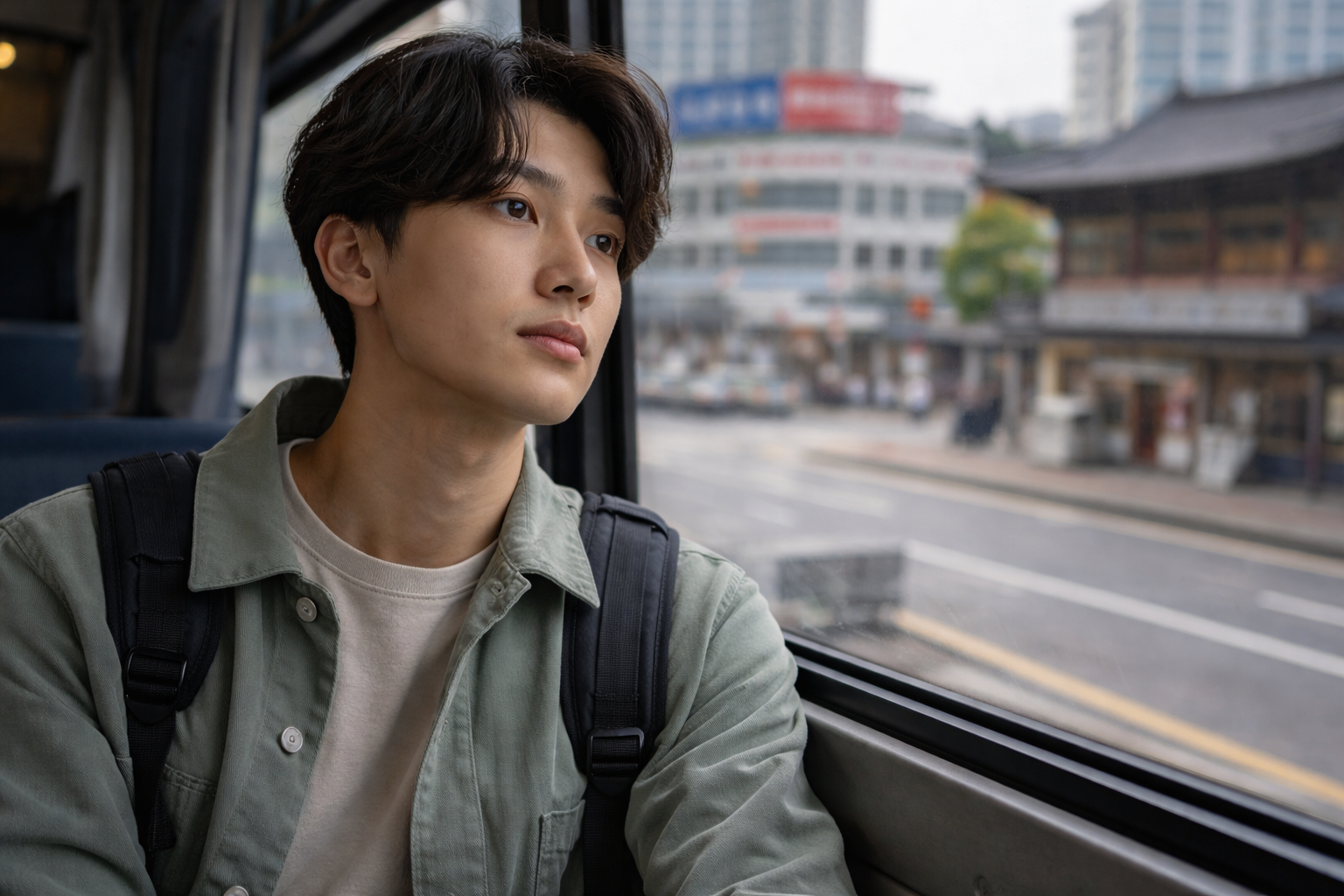
After years of studying overseas who lived abroad for a long time, coming home doesn’t always feel like coming home. Instead, it can bring confusion, emotional tension, identity conflict, and unexpected stress.
If you’re a Korean returnee adjusting back to life in Korea, your experience is more common than you think —and your mental health matters.
What Is Reverse Culture Shock?
Reverse culture shock refers to the emotional and psychological adjustment difficulties that can occur when Korean students return to South Korea after studying and living abroad. While come home is expected to feel familiar, many returnees experience unexpected stress.
Common challenges can include:
Feeling different from peers in South Korea
Difficulty adjusting to Korea’s hierarchical social norms
Missing the independence developed overseas
Struggling to readapt to Korean academic or workplace culture
Feeling caught between two cultural identities
These experiences are common among Korean international students returning home and can impact mental health, including increased anxiety, stress, or feelings of isolation. Recognizing reverse culture shock as a normal adjustment process is an important first step toward emotional well-being.
Identity Shifts After Living Abroad
For many Korean international students, studying and living abroad during adolescence and/or early adulthood shapes identity in lasting ways. For example, you may have thought in English more than Korean, built multiracial friendships, developed new values, and become more independent.
When returning to South Korea after spending time overseas, however, adjustment can feel unexpectedly or expectedly difficult. Some Korean returnees report feeling “too Westernized,” misunderstood by family or peers, or pressured to quickly readapt to Korean social and academic expectations. This experience —often described as reverse culture shock in Korea— can create internal conflicts about where you belong.
These identity shifts can affect mental health, leading to anxiety, mood changes, loneliness, or emotional exhaustion.
Why Returnees Often Struggle in Silence
In South Korea, mental health challenges are still sometimes minimized or misunderstood —especially for Korean returnees who spent many years abroad. Because retiring home is seen as a “positive” transition, emotional struggles may be overlooked.
You may hear comments like, “You’re lucky you got to study abroad,” or “It’s your home country —why is this hard?” As a result, many Korean returnees hesitate to talk about reverse culture shock or adjustment stress.
However, reverse transition stress is real. Struggling to readjust to life in Korea does not mean you are ungrateful or weak. It reflects the psychological recalibration that often follows years of cultural adaptation.
Signs You May Benefit From Mental Health Support
If you are a Korean returnee experience the following, it may be beneficial for you to seek out mental health support:
Persistent anxiety or sadness
Difficulty concentrating
Irritability or emotional swings
Social withdrawal
Identity confusion
Sleep difficulties due to stress
Early support can prevent long-term burnout or emotional suppression.
How Therapy Can Help Returnees in South Korea
Working with a mental health professional can provide space to process identity changes, integrate your overseas and Korean identities, develop coping skills for academic or career stress, navigate changed family and relational dynamics, and strengthen confidence during transition.
Therapy offers a neutral, supportive environment to explore thoughts and emotions without judgment.
A Gentle Reminder for Returnees
You can appreciate being back in South Korea and still miss the life you build overseas. Many Korean returnees experience when they return —feeling grateful, yet unsettled at the same time.
This is a common part of reverse culture shock. Adjustment takes time. It is not a failure, but a natural process of integrating two cultural identities while protecting your mental health and well-being.
Recognizing this experience as normal can support your mental health and well-being while you make the transition back to Korea.
MindFlow Psychological Services in Seoul, Korea provides culturally informed therapy for international students and returnees navigating life transitions in Korea.
You don’t have to manage this transition alone!
Reach out to MindFlow to begin your path toward clarity, resilience, and emotional balance.
